
In today’s interconnected world, cybersecurity is just as important as physical security. As we increasingly rely on digital systems to manage physical security measures, the need to protect these systems from cyber threats becomes crucial. This article explores various cybersecurity measures that can enhance the safety and effectiveness of physical security systems.
 Digital controls are now a key part of physical barriers like gates and fences. These controls use technology to manage who can enter or leave a place. Using digital controls makes it harder for unauthorised people to get in. Examples include key card systems and biometric access controls, which use unique physical traits for authentication.
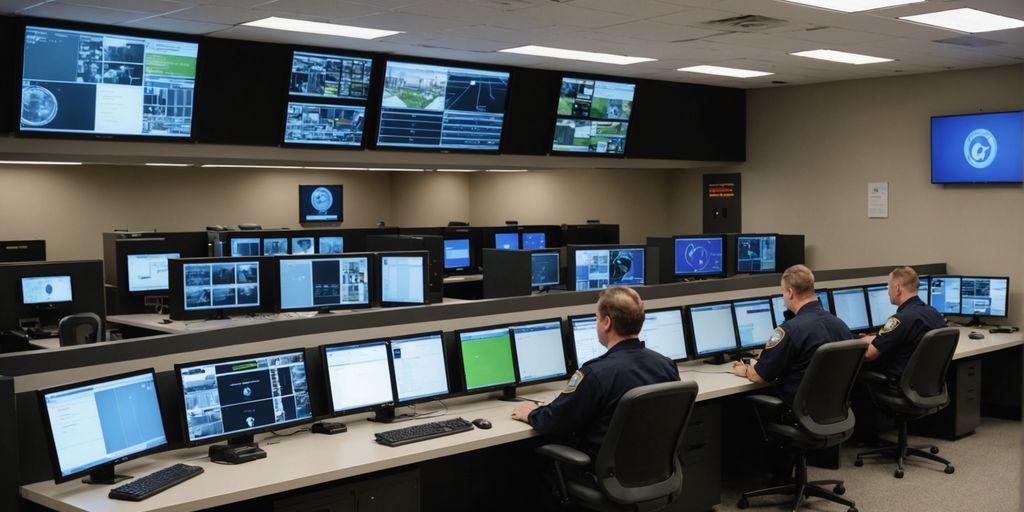
 Monitoring centres are the nerve centres of physical security operations. They oversee various security systems, including alarms, cameras, and access controls. Ensuring these centres are secure from cyber threats is crucial to maintain the integrity and functionality of the entire security infrastructure.
Key Takeaways
- Cybersecurity is essential for protecting alarms and intrusion detection systems from false alarms and unauthorised disarming.
- Digital controls in physical barriers like gates must be secured to prevent unauthorised entry or exit.
- Securing communication channels is vital to ensure that critical information is not intercepted or manipulated.
- Physical security control software often contains sensitive data, making cybersecurity measures crucial to prevent data breaches.
- Integrating cybersecurity with physical security enhances overall protection and helps in adapting to evolving security needs.
Securing Alarms and Intrusion Detection Systems
Importance of Cybersecurity for Intrusion Detection
An intrusion detection alarm system is designed to detect unauthorised access to your facilities when they’re supposed to be empty. Ensuring these systems are secure from cyber threats is crucial to maintain their effectiveness. Cybersecurity measures help prevent tampering, ensuring that alarms function correctly and alert the right personnel in case of a breach.Preventing False Alarms and Unauthorised Disarming
False alarms can be a significant issue, leading to unnecessary panic and resource wastage. By implementing robust cybersecurity protocols, you can reduce the chances of false alarms caused by cyber interference. Additionally, securing these systems prevents unauthorised individuals from disarming the alarms, ensuring continuous protection.Best Practises for Securing Alarm Systems
To secure alarm systems effectively, consider the following best practises:- Regularly update and patch software to fix vulnerabilities.
- Use strong, unique passwords and change them periodically.
- Implement multi-factor authentication for accessing control panels.
- Conduct regular security audits to identify and address potential weaknesses.
Proper cybersecurity measures are essential to maintain the integrity and reliability of your alarm and intrusion detection systems.
Protecting Physical Barrier Controls
Digital Controls in Physical Barriers
Digital controls are now a key part of physical barriers like gates and fences. These controls use technology to manage who can enter or leave a place. Using digital controls makes it harder for unauthorised people to get in. Examples include key card systems and biometric access controls, which use unique physical traits for authentication.
Preventing Unauthorised Entry and Exit
To stop unauthorised entry and exit, it’s important to have strong barriers and controls. Here are some methods:- ID badges: Employees and visitors can use these to access certain areas.
- Keypads: Require a code to enter restricted zones.
- Security guards: Provide an extra layer of protection.
Cybersecurity Measures for Gates and Barriers
Cybersecurity is crucial for protecting gates and barriers. Here are some best practises:- Regular updates: Keep all systems updated to protect against new threats.
- Strong passwords: Use complex passwords and change them regularly.
- Monitoring: Continuously monitor systems for any unusual activity.
By combining physical barriers with cybersecurity measures, organisations can better protect their assets and information.
Ensuring Secure Communication Systems
Critical Role of Communication in Security
Communication systems are the backbone of any security infrastructure. They ensure that all components of a security system can interact seamlessly. Effective communication is vital for timely responses to security threats and for coordinating actions among security personnel.Securing Communication Channels
To protect communication channels, several strategies can be employed:- Encryption: Encrypting data during transmission ensures that even if intercepted, the data remains unreadable.
- Multi-Factor Authentication (MFA): Implementing MFA adds an extra layer of security, making it harder for unauthorised individuals to access communication systems.
- Regular Audits: Conducting regular audits helps identify vulnerabilities in communication channels and allows for timely remediation.
Preventing Interception and Manipulation
Preventing the interception and manipulation of communication is crucial. This can be achieved through:- Secure Protocols: Using secure communication protocols like SSL/TLS to protect data integrity and confidentiality.
- Physical Security: Ensuring physical security protects the actual devices and structures used in communication.
- Monitoring and Alerts: Implementing monitoring systems that can detect and alert on suspicious activities in real-time.
Ensuring the security of communication systems is not just about technology; it also involves regular training and awareness programmes for all personnel involved in security operations.By following these measures, organisations can significantly reduce the risk of communication breaches and ensure a robust security posture.
Safeguarding Physical Security Control Software
Sensitive Data in Security Software
Physical security control software often contains sensitive data. This includes access logs, video footage, and other critical information. Protecting this data from cyber threats is essential to maintain the integrity and confidentiality of security systems. Implementing strong encryption and access controls can help safeguard this information.Preventing Unauthorised Access and Data Breaches
To prevent unauthorised access and data breaches, it is crucial to implement multi-factor authentication (MFA) and regular software updates. These measures ensure that only authorised personnel can access the system, reducing the risk of data breaches. Additionally, regular audits and monitoring can help identify and address potential vulnerabilities.Best Practises for Software Security
Adopting best practises for software security is vital for protecting physical security control software. These practises include:- Regularly updating and patching software to fix vulnerabilities.
- Implementing strong password policies and MFA.
- Conducting regular security audits and penetration testing.
- Ensuring secure coding practises during software development.
By following these best practises, organisations can significantly reduce the risk of cyber threats and ensure the safety of their physical security systems.
Cybersecurity in Monitoring Centres
Role of Monitoring Centres in Physical Security
Monitoring centres are the nerve centres of physical security operations. They oversee various security systems, including alarms, cameras, and access controls. Ensuring these centres are secure from cyber threats is crucial to maintain the integrity and functionality of the entire security infrastructure.
Protecting Computer Systems and Networks
The computer systems and networks in monitoring centres are prime targets for cyberattacks. Implementing robust cybersecurity measures, such as firewalls, antivirus software, and regular security audits, is essential. These measures help in safeguarding sensitive data and preventing unauthorised access.Preventing Disruptions and Intrusions
To prevent disruptions and intrusions, monitoring centres must adopt a multi-layered security approach. This includes continuous monitoring, incident response plans, and regular training for security personnel. By doing so, they can quickly identify and mitigate potential threats, ensuring the seamless operation of security systems.Monitoring centres play a pivotal role in ensuring the overall security of an organisation. Their ability to respond swiftly to incidents can significantly enhance the effectiveness of physical security measures.
Cybersecurity as a Force Multiplier in Physical Security
In today’s digital age, integrating cybersecurity with physical security is crucial. This combination not only protects assets and personnel but also ensures the reliability of security measures. Cybersecurity enhances physical security systems’ resilience, making them more effective against various threats.Integration of Cybersecurity and Physical Security
Combining cybersecurity with physical security creates a comprehensive defence strategy. This approach safeguards both physical infrastructure and digital resources from unauthorised access, tampering, and cyberattacks. Key components that benefit from this integration include:- Access control systems: Protects databases and servers managing digital credentials.
- Video surveillance systems: Prevents unauthorised access to camera feeds and recordings.
- Alarms and intrusion detection systems: Ensures these systems are not compromised.
Advantages of Cybersecurity in Physical Security
The integration offers several benefits:- Improved threat detection and response: Faster identification and mitigation of threats.
- Enhanced protection of sensitive data: Reduces the risk of breaches and unauthorised access.
- Increased overall security posture: Strengthens defences against evolving threats.
- Real-time monitoring and analytics: Provides valuable data for informed security strategies.
- Cost savings: Prevents security breaches, physical damage, and legal liabilities.