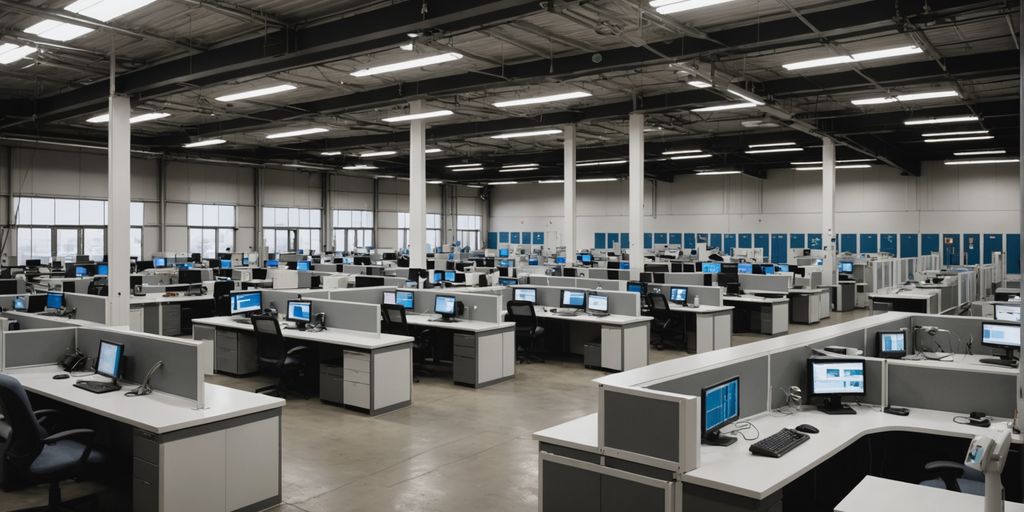
Ensuring the security of industrial and manufacturing facilities is crucial for safeguarding employees, equipment, and resources. With the right security systems in place, these facilities can enhance safety, improve productivity, and meet regulatory requirements. This article explores various security solutions tailored for industrial and manufacturing environments, including surveillance, access control, alarms, perimeter protection, fire safety, intruder detection, and integrated systems.
 Access control systems are essential for managing and controlling access within manufacturing facilities. These systems not only enhance security but also offer numerous other benefits, such as detecting and preventing intrusions, controlling who has access to specific areas, and ensuring the safety of both the factory and its equipment.
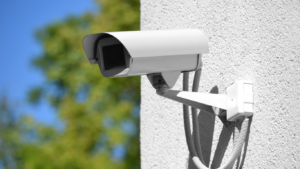
 Perimeter security technologies are essential for safeguarding industrial sites. These technologies include fences, motion sensors, and commercial CCTV cameras. Fences act as a physical barrier, while motion sensors detect any movement along the perimeter. Surveillance cameras provide real-time monitoring and can be integrated with other security systems for enhanced protection.
Key Takeaways
- Industrial security systems are essential for protecting employees, equipment, and assets from potential threats.
- Advanced surveillance solutions, such as CCTV, provide real-time monitoring and valuable data for operational analysis.
- Access control systems enhance safety by restricting unauthorised entry and streamlining operations.
- Alarm systems deter theft and vandalism, offering a significant return on investment by preventing losses.
- Integrated security solutions combine various technologies to provide comprehensive protection and improve overall facility management.
Advanced Surveillance Solutions for Industrial Security
Benefits of CCTV in Industrial Settings
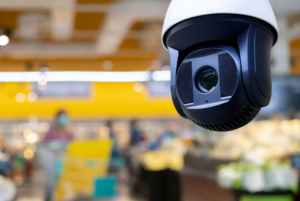
CCTV systems are essential for industrial sites. They help in monitoring activities and ensuring safety. Commercial CCTV cameras can deter theft and vandalism, providing a sense of security for both assets and personnel. Additionally, they offer real-time monitoring, which is crucial for large industrial areas.Integration with Other Systems
Integrating CCTV with other security systems enhances overall protection. For instance, combining CCTV with access control systems can prevent unauthorised entry. This integration ensures that every inch of your site is under surveillance, making it difficult for intruders to go unnoticed.Remote Monitoring Capabilities
Remote monitoring allows security personnel to oversee the site from any location. This feature is particularly useful for large industrial sites where on-site monitoring may not be feasible. With remote access, you can monitor live feeds and respond to incidents promptly, ensuring continuous protection of your assets.Access Control Systems for Manufacturing Facilities
Access control systems are essential for managing and controlling access within manufacturing facilities. These systems not only enhance security but also offer numerous other benefits, such as detecting and preventing intrusions, controlling who has access to specific areas, and ensuring the safety of both the factory and its equipment.
Types of Access Control Technologies
There are various types of access control technologies available for manufacturing facilities, each with its own set of features and benefits:- Biometric Systems: Utilise unique physical characteristics, such as fingerprints or facial recognition, to grant access. This eliminates the need for traditional keys or codes.
- Key Card Systems: Employees use key cards to access different areas. These cards can be easily deactivated if lost or stolen.
- Digital Management Systems: Allow for real-time monitoring and control of access points through a centralised digital platform.
Enhancing Safety and Compliance
Access control systems play a crucial role in enhancing safety and compliance within manufacturing facilities. By restricting access to authorised personnel only, these systems help prevent accidents and injuries, especially in hazardous environments. Additionally, they assist in meeting industry-specific compliance requirements and regulations related to security and data protection.Well-installed access control systems enable employees to move around quickly, maximising productivity and safety.
Streamlining Operations with Access Control
Implementing access control systems can significantly streamline operations within manufacturing facilities. By customising access permissions according to each individual’s needs, factory owners and managers can control who uses which door and at what time. This not only improves security but also enhances operational efficiency by reducing the time spent on managing access manually. In summary, access control systems are a vital component of modern manufacturing facilities, offering enhanced security, improved safety, and streamlined operations.Alarm Systems to Protect Manufacturing Plants
Deterring Theft and Vandalism
Alarm systems are essential for keeping your manufacturing plants safe from trespassers, thiefs, and vandalism. Systems such as audio visual alarm systems protect your employees, products, and raw materials by deterring unauthorised intruders. By enabling admins to detect and respond to intrusions immediately, alarm systems provide a significant return on investment for manufacturing plant safety.Integration with Other Security Measures
Our alarm systems are easily integrated with various technologies, providing comprehensive security coverage for your manufacturing operation. This integration ensures that all parts of your facility are monitored and protected effectively.Return on Investment
Investing in state-of-the-art alarm systems not only enhances security but also offers a substantial return on investment. By preventing theft and vandalism, these systems help save costs associated with lost materials and production downtime. Additionally, they contribute to a safer working environment, which can lead to increased productivity and employee satisfaction.With comprehensive security systems, you can protect assets, ensure smooth operations, and enhance business management and health and safety compliance.
Perimeter Protection for Industrial Sites
Types of Perimeter Security Technologies
Perimeter security technologies are essential for safeguarding industrial sites. These technologies include fences, motion sensors, and commercial CCTV cameras. Fences act as a physical barrier, while motion sensors detect any movement along the perimeter. Surveillance cameras provide real-time monitoring and can be integrated with other security systems for enhanced protection.
Importance of Perimeter Security
The perimeter of an industrial site is the first line of defence against intruders. Effective perimeter security like concrete barriers help hugely in preventing unauthorised access, thereby protecting valuable assets and ensuring the safety of personnel. A robust perimeter security system can deter potential threats and provide early warnings, allowing for a swift response.Customised Solutions for Different Facilities
Different industrial facilities have unique security needs. Customised perimeter security solutions can be designed to meet these specific requirements. Whether it’s a large manufacturing plant or a smaller facility, tailored security measures ensure comprehensive protection. These solutions can include a combination of physical barriers, electronic detection systems, and surveillance technologies.Ensuring the perimeter is secure is crucial for the overall safety and efficiency of industrial operations.
Fire and Life Safety Systems in Manufacturing
Importance of Fire Safety in Industrial Settings
Ensuring fire safety in industrial settings is crucial due to the presence of hazardous materials and complex machinery. Detecting flames and smoke in harsh environments like dusty industries is vital for production plants. The consequences of a fire outbreak can be devastating, leading to loss of life, inventory, and business continuity disruptions.Designing fire/life safety systems for industrial and manufacturing facilities involves adapting to automation trends, balancing cost-effectiveness with safety, and ensuring compliance with regulations.
Types of Fire Safety Systems
There are various fire safety systems tailored for industrial environments:- Smoke Detectors: These devices identify smoke particles in the air and trigger alarms.
- Fire Suppression Systems: Automated systems that release fire-extinguishing agents to contain fires.
- Video-Based Fire Detection: Cameras equipped with intelligent algorithms to detect smoke and flames early.
Benefits of Automated Fire Response
Automated fire response systems offer several advantages:- Early Detection: Quick identification of fire hazards allows for prompt action.
- Minimised Damage: Containing fires early reduces potential damage to equipment and stock.
- Lower Insurance Costs: Effective fire safety measures can lead to reduced insurance premiums.