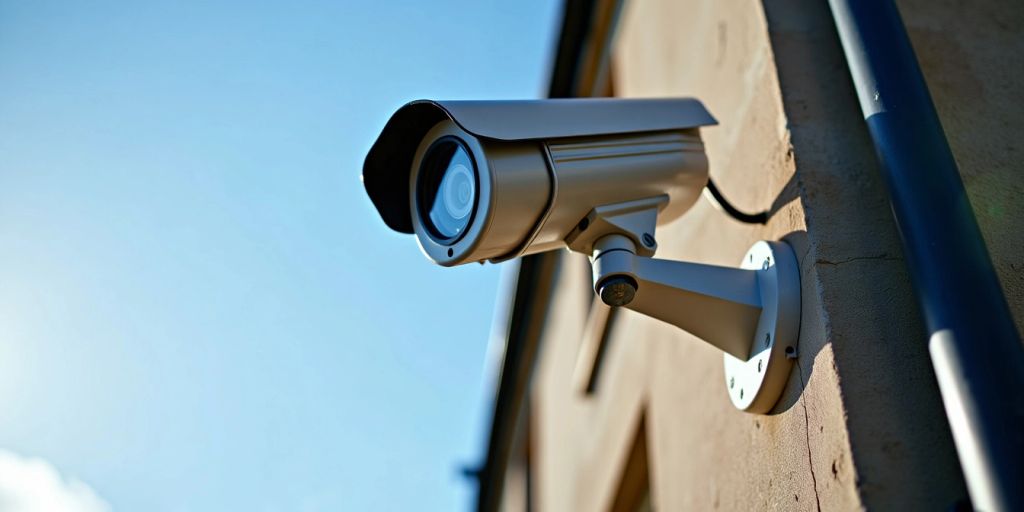
Installing security systems in Scotland involves understanding various legal and regulatory requirements. This article will guide you through the essentials, including voluntary certifications, waste carrier registration, and specific legislation related to security alarms, electrical standards, hazardous substances, and data protection.
 If you install security systems in Scotland, you must register as a professional collector or transporter of waste. This is necessary if you carry away any waste generated during the installation. Lower tier registration is free and lasts indefinitely.
 If you plan to use CCTV, you must register with the Information Commissioner’s Office (ICO). This is a legal requirement for both domestic and commercial properties. When registering, you need to state the purpose of your CCTV system. For example, it could be for crime prevention or monitoring staff activities. For help with your CCTV installations, get in touch with RACAM and check out our Glasgow CCTV installation services.
Key Takeaways
- Voluntary certification through NSI and SSAIB helps ensure quality and compliance with police and fire authority standards.
- Security system installers in Scotland must register as professional waste carriers with the Scottish Environment Protection Agency.
- The Private Security Industry Act requires key holding services to be licenced by the SIA.
- Electrical work for security systems must follow the Institution of Electrical Engineers Wiring Regulations (BS 7671).
- CCTV usage in Scotland must comply with GDPR and requires registration with the Information Commissioner’s Office.
Voluntary Certification for Security Systems
Benefits of NSI and SSAIB Accreditation
Many customers want to ensure that your business does quality work using the right equipment. One way to show your commitment to quality is by becoming an approved contractor through the NSI or SSAIB. These bodies are approved by the SIA and help you meet the requirements of the police, fire authorities, and insurance industry. Only alarm businesses accredited by the NSI or SSAIB can install and maintain remotely monitored alarm systems.Meeting Police and Fire Authority Requirements
To gain NSI or SSAIB accreditation, you must meet specific requirements set by the police and fire authorities. This includes ensuring that your security systems are reliable and effective. Accreditation helps in building trust with these authorities, making it easier to work together in emergencies.Complying with British and European Standards
Accredited businesses must comply with relevant British and European Standards. This ensures that the security systems you install are up to the mark and meet all necessary safety and performance criteria. Following these standards not only improves the quality of your work but also boosts customer confidence.Waste Carrier Registration in Scotland
Understanding Lower Tier Registration
If you install security systems in Scotland, you must register as a professional collector or transporter of waste. This is necessary if you carry away any waste generated during the installation. Lower tier registration is free and lasts indefinitely.
Role of the Scottish Environment Protection Agency
The Scottish Environment Protection Agency (SEPA) is responsible for waste carrier registration in Scotland. SEPA ensures that waste is managed properly to protect the environment and human health.Implications for Security System Installers
For security system installers, being registered as a waste carrier is crucial. It demonstrates a commitment to responsible waste management and compliance with legal requirements. This can enhance your reputation and trust with customers.Security Alarm Legislation in Scotland
Overview of the Private Security Industry Act
The Private Security Industry Act was introduced to regulate the private security industry. While installing security systems is not a licensable activity, offering key holding services or operating as an alarm receiving centre requires a licence from the Security Industry Authority (SIA). This is because these roles fall under the definition of manned guarding.Licencing Requirements for Key Holding Services
If you provide key holding services, where you respond to the triggering of a security system, you must be licenced by the SIA. This ensures that only qualified individuals handle such critical tasks, enhancing the safety and security of the premises.British Standards for Security Alarms
Security alarms in Scotland must comply with British Standards. Ensure that all items you install meet these standards. Your suppliers can confirm this if you are unsure. Additionally, check with the police for any local conditions on the use of audible alarms. For remotely monitored alarm systems, a Unique Reference Number (URN) from the police is required. Only businesses accredited by the National Security Inspectorate (NSI) or the Security Systems and Alarm Inspection Board (SSAIB) can install and maintain these systems.It’s crucial to adhere to these regulations to ensure the safety and compliance of your security systems.
Electrical Work Standards for Security Systems
Institution of Electrical Engineers Wiring Regulations
The Institution of Electrical Engineers Wiring Regulations (BS 7671) is the main British Standard for the safe design, installation, and testing of electrical systems in the UK. All electrical work for security systems must follow these regulations to ensure safety and compliance.Specific Standards for Fire and Lighting Systems
In addition to BS 7671, there are specific British and European Standards for commercial fire alarm installations, lighting systems, and security systems. These standards ensure that every home in Scotland must have interlinked fire and smoke alarms, keeping properties safe and compliant.Ensuring Compliance in Security System Installations
To ensure compliance, security system installers should:- Follow the Institution of Electrical Engineers Wiring Regulations (BS 7671).
- Adhere to specific standards for fire and lighting systems.
- Regularly check for updates to British and European Standards.
Compliance with these standards is crucial for the safety and effectiveness of security systems. Installers must stay informed about any changes to regulations and standards to maintain high-quality installations.
Handling Hazardous Substances During Installation
When installing security systems, it is crucial to handle hazardous substances with care to ensure the safety of both installers and clients. This section outlines the necessary precautions and regulatory requirements.Minimising Exposure to Harmful Substances
To reduce exposure to potentially harmful substances, installers should use protective gear such as dust masks and goggles, especially when drilling into walls or ceilings. Adequate ventilation is also essential when using paints or adhesives to prevent inhalation of fumes.Safety Precautions for Installers
Installers must follow strict safety protocols to avoid accidents. This includes wearing appropriate personal protective equipment (PPE), ensuring tools are in good condition, and being aware of their surroundings. Regular training on handling hazardous materials is also recommended.Regulatory Requirements for Hazardous Materials
Compliance with regulations is mandatory when dealing with hazardous substances. Installers should be familiar with the Control of Substances Hazardous to Health (COSHH) regulations and ensure that all materials used are properly labelled and stored. Failure to comply with these regulations can result in severe penalties.Data Protection and CCTV Usage
Registering with the Information Commissioner’s Office
If you plan to use CCTV, you must register with the Information Commissioner’s Office (ICO). This is a legal requirement for both domestic and commercial properties. When registering, you need to state the purpose of your CCTV system. For example, it could be for crime prevention or monitoring staff activities. For help with your CCTV installations, get in touch with RACAM and check out our Glasgow CCTV installation services.
GDPR Compliance for CCTV Systems
To comply with the General Data Protection Regulation (GDPR), you must follow specific guidelines:- Conduct a Privacy Impact Assessment and publish the results.
- Install signs that clearly state CCTV surveillance is in operation.
- Ensure all staff are aware of their responsibilities and the policies regarding CCTV use.
- Keep footage secure and do not retain it for longer than necessary (31 days is standard).
- Restrict access to CCTV footage and implement a disclosure policy.
- Do not record conversations between members of the public.
- Follow recognised technical and operational standards.
- Avoid installing commercial CCTV systems in private places like changing rooms or toilets.
- Regularly audit your CCTV operation for legal compliance and publish the findings.
Legal Implications of Audio Recording
Recording audio with CCTV is generally not allowed. This is because it can be highly intrusive and may violate privacy laws. If you need to record audio, you must have a very strong justification and take extra precautions to ensure compliance with GDPR and other relevant laws.Always ensure the date and time settings on your CCTV system are correct. This is crucial if the footage is needed by the police or used as evidence in court.Protecting your data and ensuring the proper use of CCTV is crucial in today’s world. At RACAM, we offer top-notch solutions to keep your information safe and secure. Our team of experts is ready to help you with all your security needs. Visit our website to learn more about our services and how we can assist you.